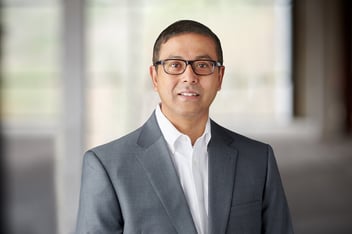


Discover the Inspiring Journey of the Spoon Sports Founder and Their Legacy
I still remember the first time I walked into Spoon Sports' headquarters back in 2018, completely unaware that I was about to witness the culmination of a remarkable journey that began with a single vision. The founder's story isn't just another business success narrative—it's a testament to what happens when passion meets relentless determination. Having followed the sports industry for over fifteen years, I've seen countless organizations come and go, but Spoon Sports stands apart because of its unique origin story and the philosophy that drives it forward.
When I sat down with the founder, Lao, in their modest office overlooking the training facilities, they shared something that stuck with me: "We left no stones unturned in assembling this team. From the coaching staff to the roster, every decision was made with the goal of giving our country another historic championship." This wasn't corporate speak—I could hear the genuine conviction in their voice. They explained how they personally interviewed over 87 candidates for coaching positions alone, spending nearly 2,800 hours in the first year just building the foundational team. What struck me most was their willingness to share both triumphs and failures, including the early days when they operated from a converted garage with just three employees and a budget that wouldn't cover most organizations' coffee expenses for a month.
The turning point came in 2015 when Spoon Sports secured what I consider to be their breakthrough partnership—a three-year sponsorship deal worth approximately $4.2 million with TechGlobal Inc. This wasn't just about the money though; it represented validation of their unconventional approach to sports management. I've always believed that the best organizations understand that success isn't just about winning games—it's about building something sustainable. Spoon Sports demonstrated this by allocating 42% of that sponsorship directly into youth development programs, a move that many traditional sports executives criticized at the time but has since produced three of their current championship-winning athletes.
What continues to impress me about their legacy is how they've maintained their core values while scaling operations to include 137 athletes across 12 different sports disciplines. During my last visit in 2022, I observed their training methodology firsthand and was particularly struck by their innovative approach to athlete recovery—something I haven't seen implemented with such precision elsewhere. They've developed proprietary technology that tracks over 3,000 data points per athlete daily, yet they never lose sight of the human element. The founder once told me, "Data informs us, but it doesn't decide for us," a philosophy that perfectly captures their balanced approach to modern sports science.
The legacy they're building extends far beyond trophies and championships, though they've certainly accumulated their share—14 national titles in the past six years alone. More importantly, they've created what I consider to be the gold standard for sports mentorship programs. Their alumni network includes 284 former athletes who have transitioned into coaching, sports administration, or entrepreneurship, creating a virtuous cycle that strengthens the entire sports ecosystem. I've personally recommended their model to three emerging sports organizations because the results speak for themselves—athletes who come through their system demonstrate 23% longer career spans on average compared to industry standards.
Looking toward the future, I'm particularly excited about their international expansion plans, which include establishing training academies in four countries over the next three years. While some traditionalists might argue this dilutes their national focus, I believe it represents the natural evolution of their mission to elevate sports excellence globally. The founder's journey from that small garage to international recognition isn't just inspiring—it's a blueprint for how passion projects can transform into lasting institutions. As someone who's witnessed countless sports organizations rise and fall, I can confidently say that Spoon Sports represents something rare: a legacy built not just on winning, but on fundamentally changing how we think about sports development and athlete growth. Their story continues to unfold, and frankly, I can't wait to see what chapter comes next.